This guide covers windows in a listed building or a conservation area in Clapton. It is for owners of period homes who want warmer, quieter rooms but need to stay within the rules. You will learn when you need consent, which window options councils tend to accept, and how we help you prepare an application.
The rules for old homes are stricter than for most houses. That does not mean you are stuck with cold, rattling windows. With the right product and a clear plan, there is usually a way forward that keeps the character of your home and makes it more comfortable to live in.
Listed Building Consent for Windows
If your home is listed, you need listed building consent for any change that affects its character. Windows are one of the most important features of a historic building, so almost any change to them needs consent. That includes:
- Replacing a window, even with a copy that looks the same.
- Changing the glass, such as swapping single glass for double glazed units.
- Changing the frame material, the glazing bars or the way the window opens.
- Removing old glass, such as crown or cylinder glass with its gentle ripple.
- Painting a window in a new colour, in some cases.
Listing covers the whole building, inside and out, not just the front. It applies to every grade of listing, not only the highest. Replacing windows in a listed building without consent is a criminal offence. The council can also make you put the old windows back at your own cost.
Small repairs that keep the window as it is, such as fixing a sash cord or replacing a cracked pane like for like, may not need consent. Check with the council first if you are not sure.
Conservation Areas and Article 4 Directions
A conservation area is a part of a town or village with a special look that the council wants to protect. Homes in a conservation area are not always listed, but there are still extra rules.
For most houses, replacing windows counts as permitted development. That means you do not need planning permission, as long as the new windows look similar to the old ones. In a conservation area, the council can remove these rights with an Article 4 direction.
Article 4 directions often cover windows and doors on walls that face a road or public space. Where one is in place, you need planning permission to replace those windows, even on a house that is not listed. Windows at the back of the house may still be free to change.
Your council's website will list its conservation areas and any Article 4 directions. If in doubt, ask the planning team before you order anything. Flats also have no permitted development rights for windows, so they usually need permission in a conservation area.
Window Options That Can Work
Each council takes its own view, and each building is different. These are the options most often accepted for listed homes and conservation areas.
Like-for-like timber sash windows. A new timber sash made to copy the old one is the safest choice in most cases. We match the box frame, the sash sizes, the glazing bars, the horns and the mouldings. Our sash windows page covers styles and details.
Slim-profile heritage double glazing. Some councils now accept slim double glazed units in timber sashes. These units are thin enough to fit in a frame close to the original size. The glazing bars can still be true bars that hold each pane. Councils decide case by case, and many will not allow it on the most important buildings.
Secondary glazing. This is a second, slim window fitted on the inside of the old one. The old window stays as it is, so the outside of the building does not change. It cuts draughts and noise and keeps heat in. Councils often accept it, as it can be taken out later. See our secondary glazing page for more.
Conservation rooflights. For roof spaces, a conservation rooflight sits flush with the slates or tiles. It has slim steel or aluminium frames and a central bar, like Victorian roof windows. Our conservation rooflights page explains the options.
Repair and draught-proofing. Sometimes the best answer is to keep the old windows. Repairing rot, refitting sash cords and adding hidden draught strips can make a big difference.
Working With the Conservation Officer
Most councils have a conservation officer who advises on listed buildings and conservation areas. Speaking to them early saves time and stress. Here is how to approach it:
- Find out what is there now. Note the age, style and state of each window. Photos of each one, inside and out, help a lot.
- Ask for advice before you apply. Many councils offer a pre-application service. The officer can tell you what they are likely to accept.
- Show you have thought about repair. Councils prefer repair to replacement. If a window is beyond repair, explain why with photos and notes.
- Explain the benefit. Say what you want to achieve, such as less heat loss or less noise, and why your chosen option is the least harmful way to do it.
- Be ready to adjust. The officer may ask for changes to bar widths, glass type or paint colour. Small changes often turn a no into a yes.
Drawings and Specifications
An application for listed building consent or planning permission needs clear details of what you plan to fit. The council will usually want:
- Photos of the existing windows and the whole elevation.
- Scaled drawings of the new windows, including elevations and sections.
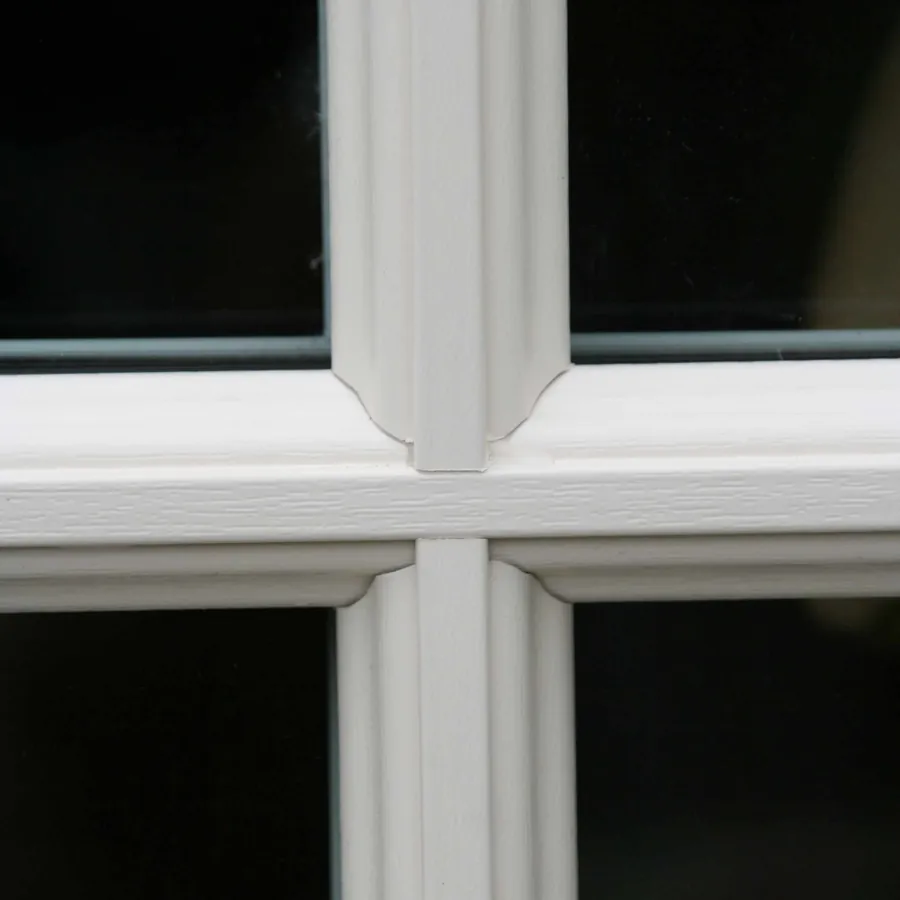
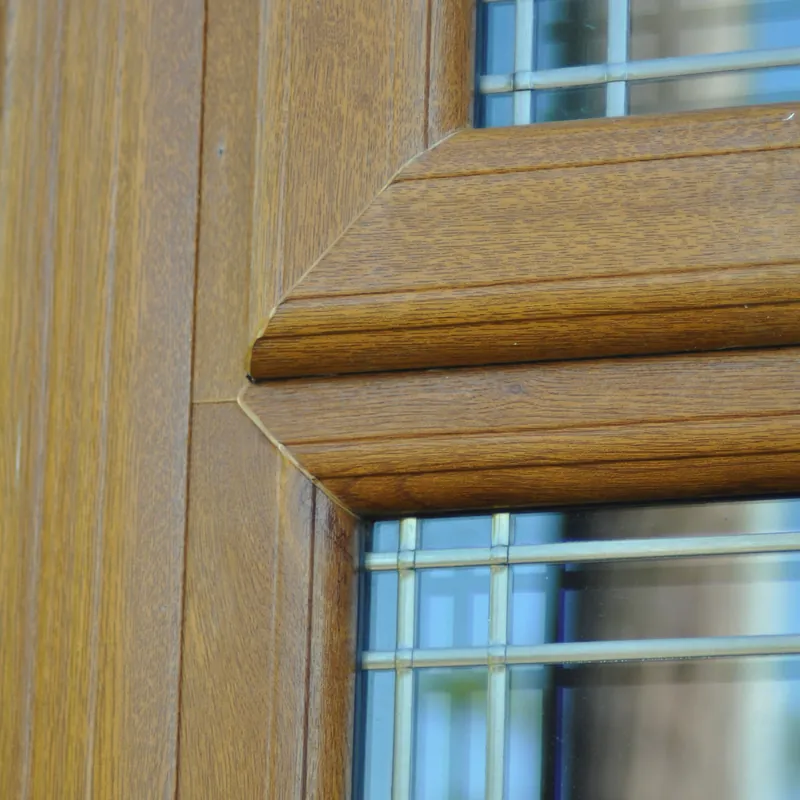
- Large-scale details of glazing bars, meeting rails, sills and mouldings.
- The frame material, timber type and paint finish.
- The glass type, unit thickness and spacer colour.
- A heritage statement that explains the impact on the building.
For a listed building, the heritage statement matters a great deal. It shows that you understand what makes the building special and how your plan protects it.
How We Help, and What You Do
We can prepare the window details for your application. That includes surveys and photos, drawings of each window, sections through the frames, and a full product specification. We can also talk through the technical points with the conservation officer if you would like us to.
The owner makes the application, not us. Consent is given to the property, and the council will deal with you or your agent. Some owners use an architect or planning consultant for complex buildings, and we are happy to work with them.
We will not start work until consent or permission is in place. Once it is, we follow the approved details to the letter. Any conditions, such as sample sign-off or paint colours, are met before we fit.
New windows in a listed building still need to meet Building Regulations where they apply, though some flexibility is allowed to protect the building. Our guide to the Building Regulations certificate explains how sign-off works. When you are ready, you can ask for a written, fixed quote after a free survey on our get a quote page. The cost depends on the window type, the timber, the glass, the number of windows and the detail needed for the drawings.
Frequently Asked Questions
Can double glazing go in a listed building?
Sometimes. Councils decide case by case. Some accept slim-profile heritage units in new timber sashes, as long as the windows look like the originals. Others will not allow any change to old glass or frames. Secondary glazing is more often accepted, as it leaves the original window in place. Speak to the conservation officer before you plan anything.
Is it illegal to replace windows in a listed building without consent?
Yes. Carrying out works that affect the character of a listed building without consent is a criminal offence. The council can also order you to undo the work and put back windows that match the originals, at your own cost. Always get consent in writing before any work starts, even for a like-for-like copy.
Do windows in a conservation area need planning permission?
Not always. For a house, like-for-like replacement is often permitted development. But if the council has made an Article 4 direction, you may need permission for windows that face a road or public space. Flats need permission in most cases. Check your council's website or ask the planning team before you order.
Is secondary glazing allowed in a listed building?
It often is, because it does not change the original window and can be removed later. You may still need listed building consent, as it is fitted inside the building and can affect the look of a room. Slim frames that line up with the meeting rails tend to be accepted most readily.
How long does listed building consent take?
Councils aim to decide most applications within a few weeks of receiving all the details. Pre-application advice adds time at the start but often speeds up the decision. Missing drawings or unclear plans are the main cause of delay, so a clear, complete set of details helps a great deal.